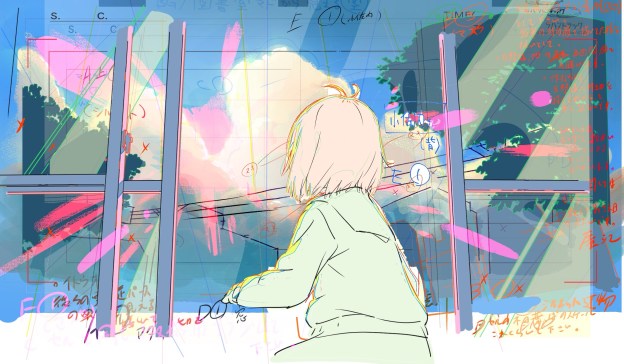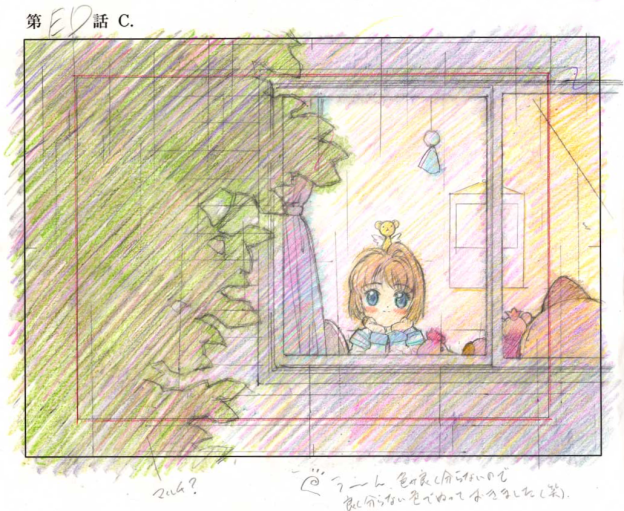
In the past few weeks I’ve been making my way through the 1998 anime series Cardcaptor Sakura, which I know very well needs no introduction. I initially meant it as nothing more than a “personal” watch, just a show I wanted to watch for myself and by myself, without necessarily writing anything about it.
Well, that original intention lasted for a whopping 16 episodes out of the total 70, when the storyboard and direction for episode 16, “Sakura and the Rainbow of Memories“, completely caught me off guard with their nuanced and expressive visual approach. That alone was already enough to ignite my writing fuels, but as the credits started rolling and his name popped up, I totally couldn’t help but put together a (somewhat messy) thread about it on Twitter. The person I’m referring to is, of course, director Mamoru Kanbe (神戸 守), whose name should sound very familiar to those who have come across this blog in the past few months.
To my surpriseーwhich was mostly due to my bad habit of never doing my research before watching something newー I learned that he was involved in multiple episodes of Sakura as the storyboard artist and episode director. Throughout my watch, I ended up writing and posting a handful of threads on the (then) bird app about some of the episodes directed and boarded by Kanbe, as well as an artist whose name was new to me, Shigehito Takayanagi (高柳 滋仁).
My intention with this post, then, is to compile all of those rather short write-ups into a single, more substantial and consistent piece, along the lines of my “Episode Notes” series of posts. The primary focus will be the storyboard and direction of each episode, all in the hope of providing some interesting insights on the techniques used to achieve the distinctively captivating visual presentation at play.

Episode 16 – さくらと思い出の虹: Sakura and the Rainbow of Memories
絵コンテ・演出: 神戸 守|SB/ED: Mamoru Kanbe
As hinted at before, episode 16 was the first one to actually make me invested in its visual language beyond the pure personal enjoyment I started watching the series for. Despite not being the first episode of the show directed and storyboarded by Mamoru Kanbe ーhe worked on episodes 5, 9 and 12 before this oneー it definitely was the first one where I recognized his style and approach, or to better put it, the first episode whose visual presentation really grabbed my attention to the point that finding out Kanbe was the man behind it didn’t feel all that surprising.
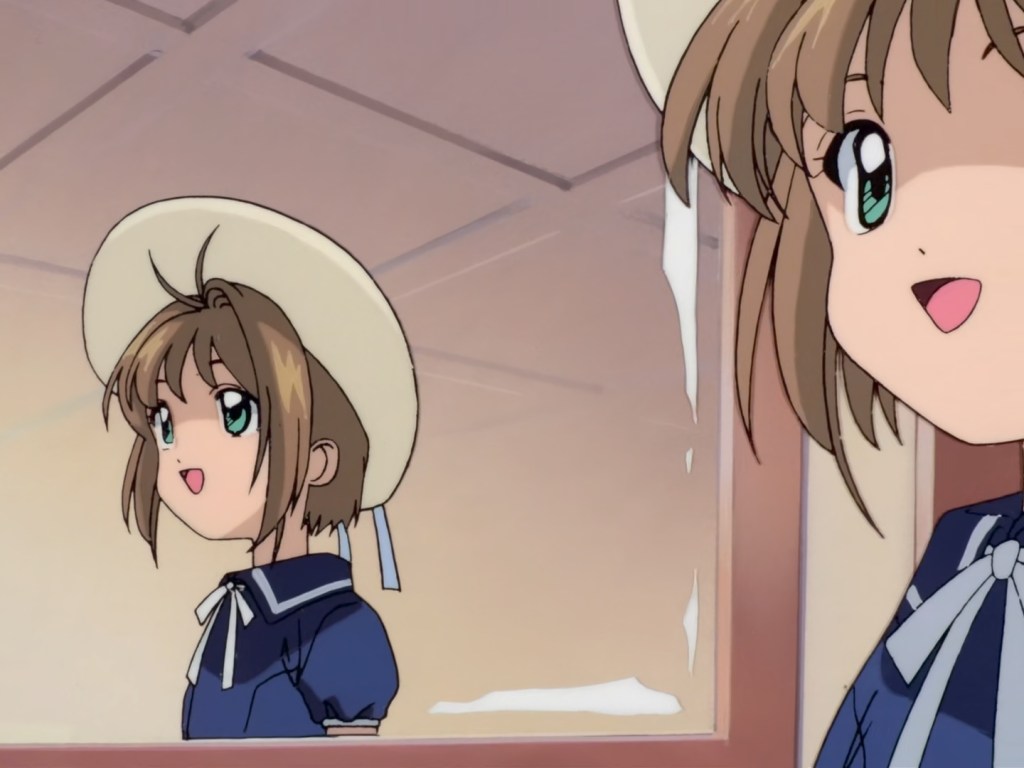
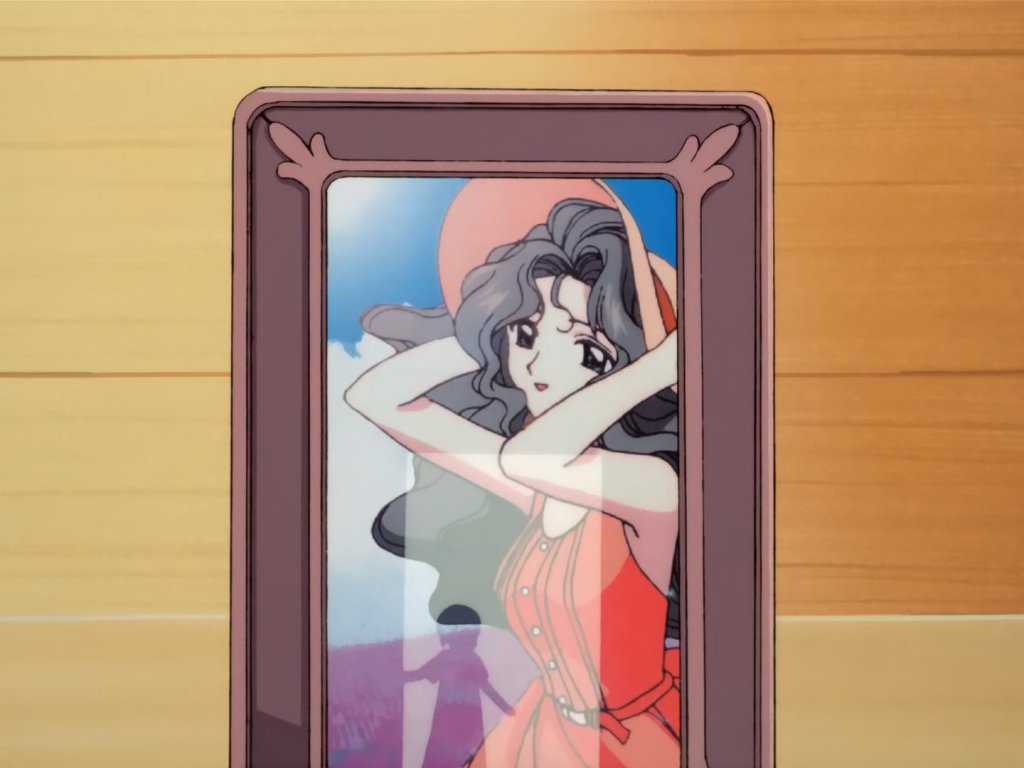
I absolutely love it when anime (and visual media in general) make purposeful use of their many visual elements to subtly embed meaning into their shots and frames, effectively realizing their full expressive potential. This kind of approach to tell purely on a visual basis enhances the viewer’s experience from something passive to an active engagement, and Kanbe has proven to be truly a master of this style.
In Cardcaptor Sakura episode 16, elements like the reflections on mirrors and glossy surfaces hint at “reality” parallel to the one being presented through the dialogues and script, providing many visual cues throughout its runtime regarding a certain existing connection between Sakura and the seemingly unrelated vacation house she’s visiting every day. The deliberate placement and focus on Nadeshiko, Sakura‘s mother’s portrait photo, also plays an important role in suggesting the context behind this connection; as ultimately unveiled at the end of the episode, the house was in fact deeply connected to Sakura, belonging to Nadeshiko‘s grandfather, her great-grandfather she’d never met before.

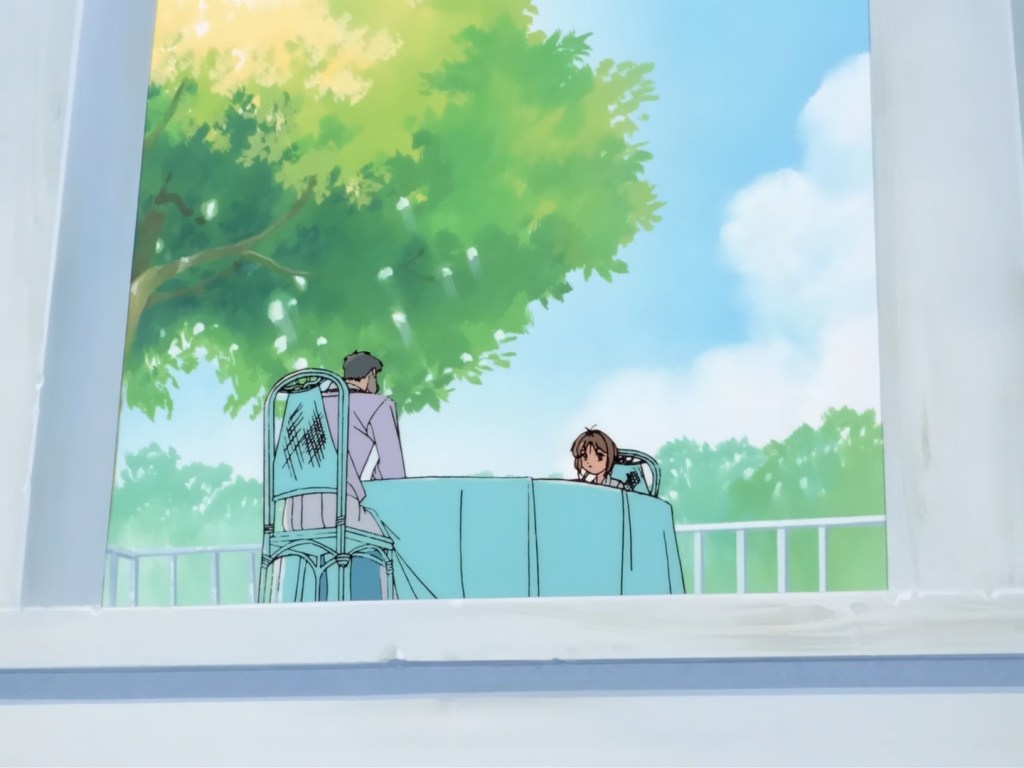
Another element that feels very familiar, especially coming from Kanbe‘s work on Shoushimin Series, is the expressive use of framing and foreground smacking to envelop the characters within the environment around them. In this case, Sakura being enclosed by the terrace’s fences suggests a stronger significance being attributed to her presence at the vacation house, as though the location inherently suits her despite this being her first visit to the place. Additionally, this also serves as a device to place further emphasis on the importance of the setting within the episode’s narrative.

It was quite the welcome surprise to learn that this suite of techniques has long been an integral part of Mamoru Kanbe‘s style and repertoire since the early days of his directorial career ーa discovery I certainly didn’t expect to make thanks to my clueless first watch of Cardcaptor Sakura.

Episode 33 – さくらのさむーいアイススケート: Sakura’s Freezing Ice Skating
絵コンテ・演出: 神戸 守|SB/ED: Mamoru Kanbe
The next episode to have caught my attention was episode 33, featuring once again Mamoru Kanbe in the director’s seat. This episode as well is filled with the same familiar visual quirks already presented in the previous section, this time carefully adapted to fit the context and narrative of the new self-contained story.
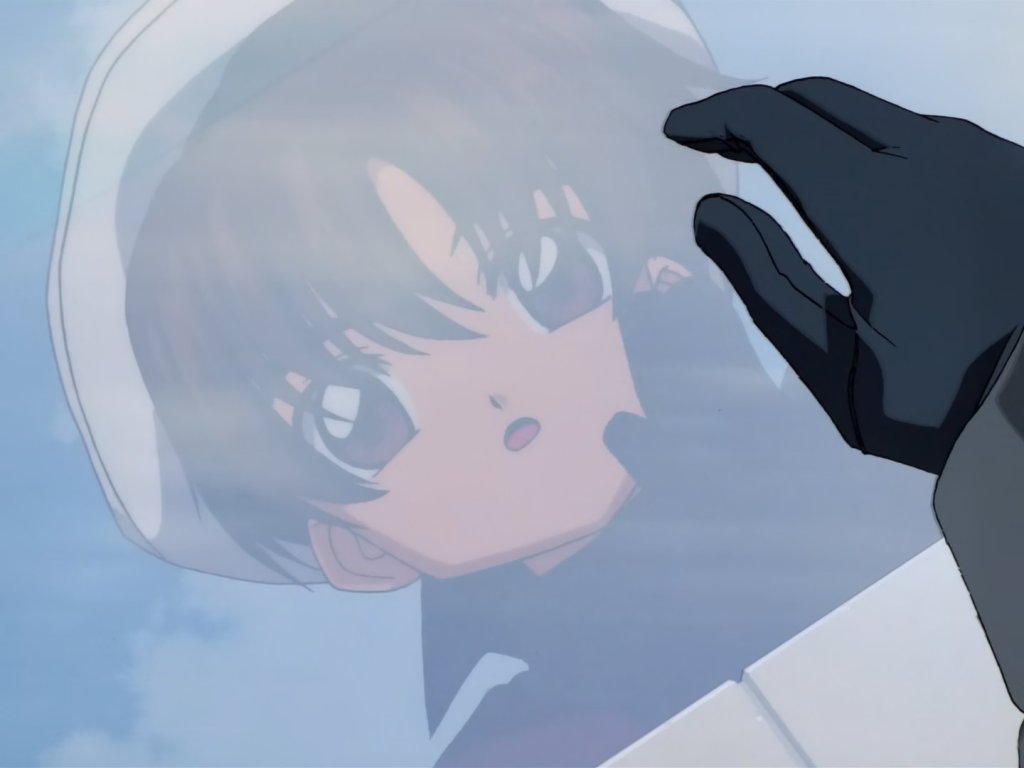

The icy setting, highlighted since the very first few sequences, allowed for an extensive and substantial use of reflections as the main visual theme of the episode throughout its 25-minutes runtime, primarily in Part B. As it’s common in Kanbe‘s episodes though, the story’s key elements are briefly and subtly introduced at the very beginning, and only later developed upon as the story progresses. Visual elements are not exception to this: one of the first things to meet our eyes as the episode starts is in fact Li‘s reflection on the ice slate outside of the school’s gate.
Unlike with episode 16, this time there isn’t much hinted meaning or subtle nuance attributed to use of reflections ーrather, they’re simply utilized as a recurring visual theme that also plays a significant role in the action choreography.
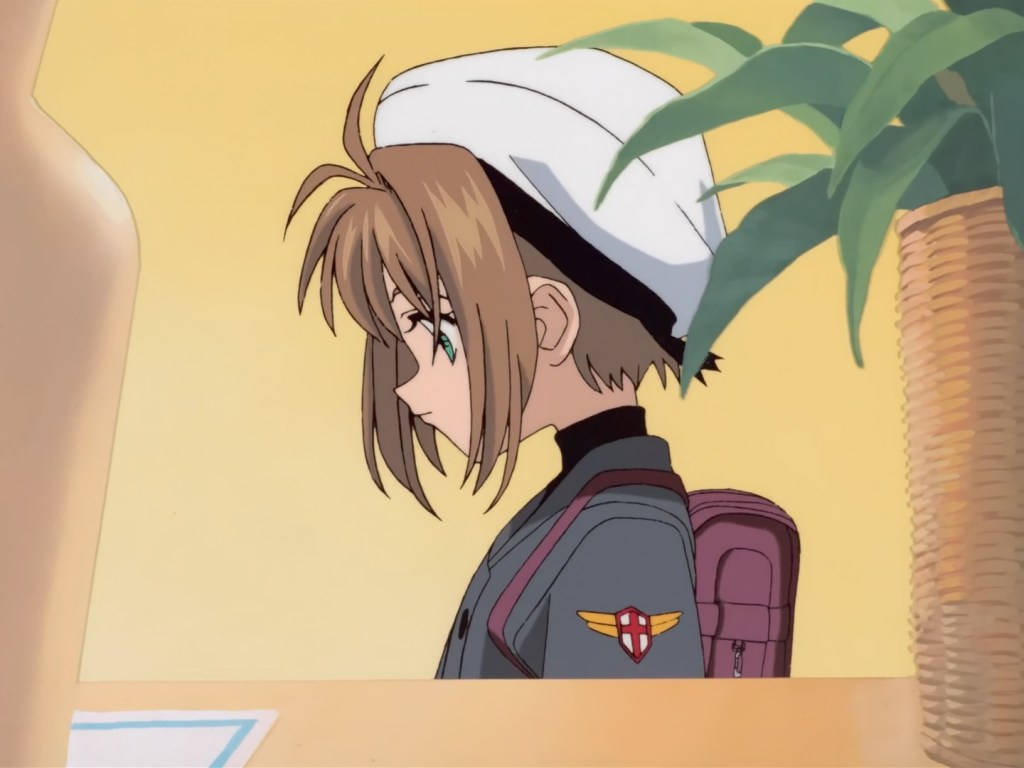
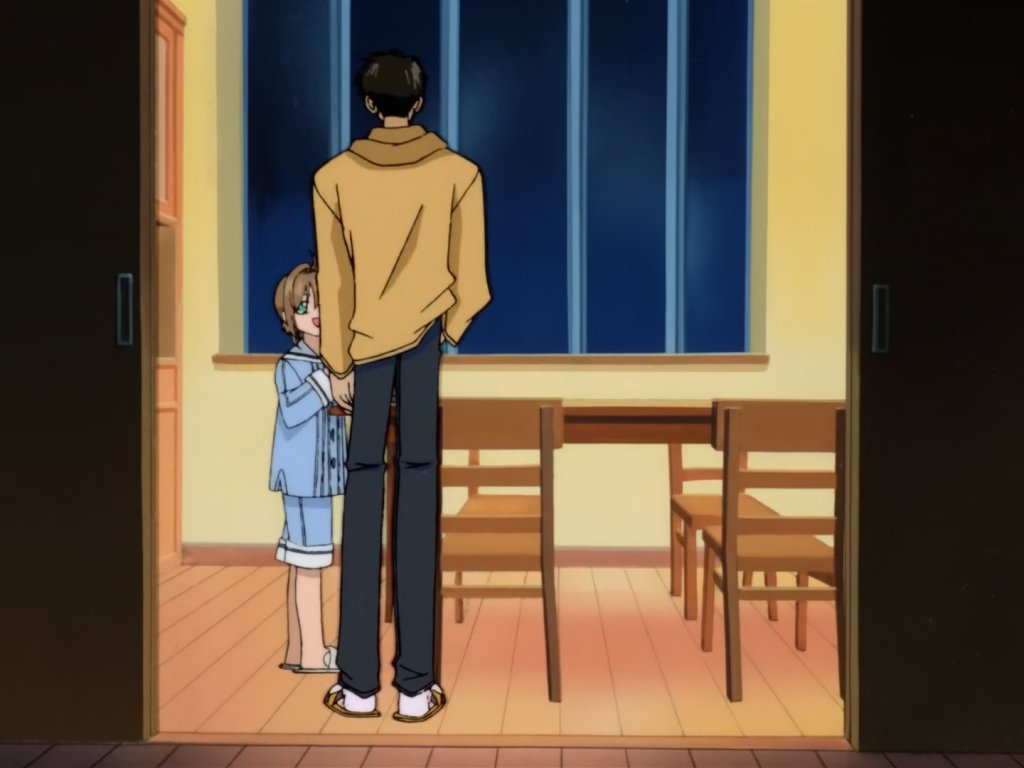

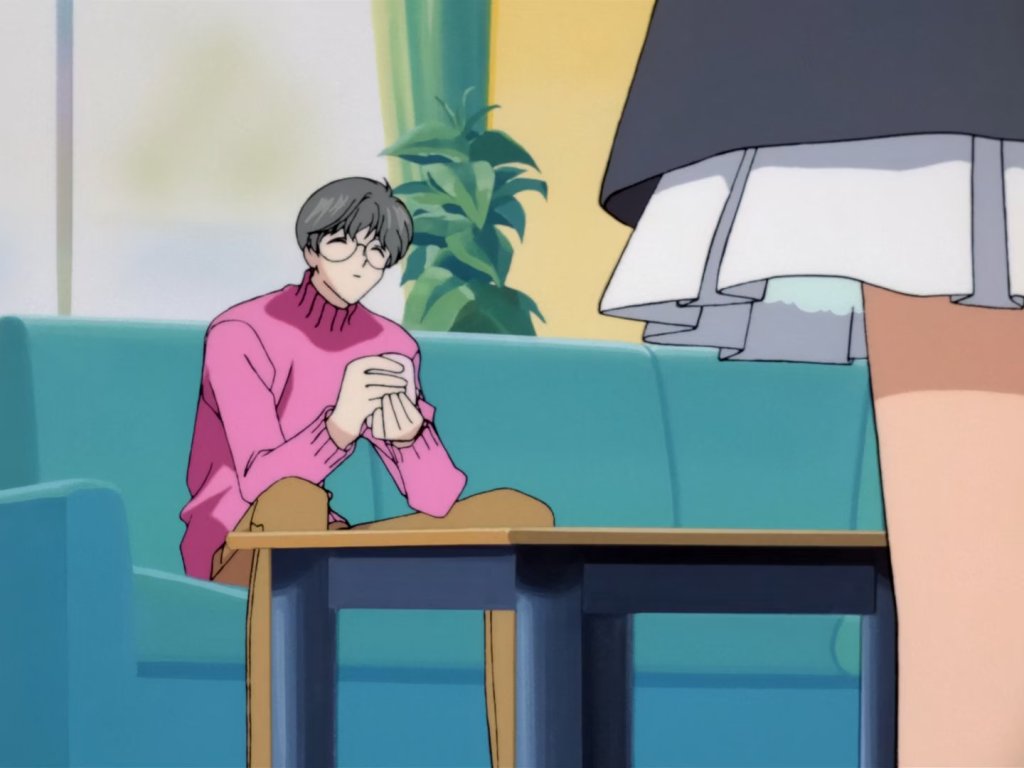
I also couldn’t help but notice (and appreciate) the peculiar and distinctive shot compositions deployed all throughout the episode; whether it’s the juxtaposition of the characters’ cels with the foreground or the background elements, or the unusual and, to some degree, eccentric camera angles that make the scenes so eye-catching, they always really stand out to me and in Cardcaptor Sakura‘s case somewhat gave away Kanbe‘s involvement in the episode even before I could read his name in the credits.

Lastly, there was a shot in particular that I found extremely clever and reminiscent of Kanbe‘s ability to unmistakably convey something to the audience without using a single line of dialogue. Without the need for words, this seemingly unremarkable cut in the beginning phases of the episode clearly foreshadows how Kero-chan won’t play any role in helping Sakura out this time, by physically dividing the two with the window’s glass and using a high camera angle to further increase the distance between them.
It’s subtle details like this that have the biggest impact on how the presentation of an episode is perceived, making even the simplest scenes not only more visually compelling to the viewer but also properly meaningful and worth paying active attention to.

Episode 37 – さくらと消えた知世の声: Sakura and Tomoyo’s Lost Voice
絵コンテ・演出: 神戸 守|SB/ED: Mamoru Kanbe
Episode 37, which is the first one directed and boarded by Mamoru Kanbe in the second half of the show, features a familiar yet experimental-feeling approach that introduces some new interesting photography techniques in its vocabulary.
As already hinted at before, it’s customary in Kanbe‘s episodes to have the opening sequence serving as a container for the whole episode, introducing the key elements to both the episode’s “mystery” and visual approach. In this instance, the sakura tree as the former and the shift in camera focus as the latter.
One of the “experimental” photography quirks I mentioned in the first paragraph is indeed the focus pull, here used to create a sense of anticipation in the scenes. While it’s nothing truly remarkable on its own, the extensive use of this visual effect throughout the episode is a declaration of intents on Kanbe‘s part, audibly hinting at his will to experiment with this trope for this episode’s direction, resulting in a very fresh-feeling presentation.
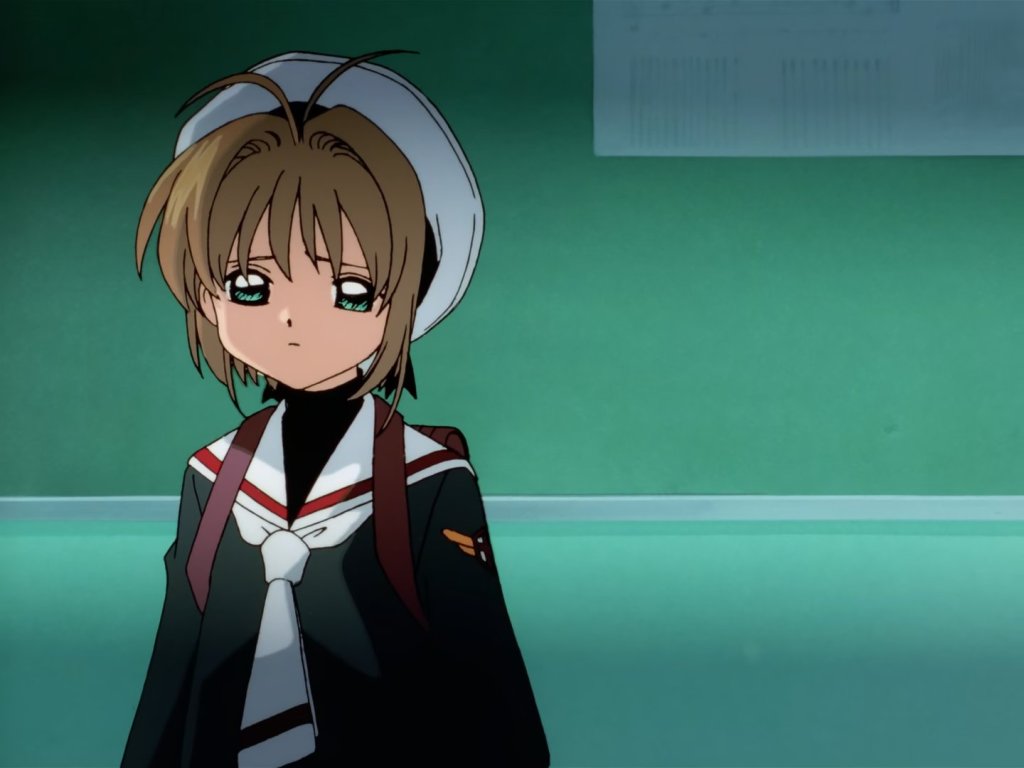


The vignette is the other yet unexplored photography effect that plays a prominent role in this episode’s visual language. Creating a stark contrast in lighting between different zones of the frames is a trick deployed to highlight and remark the ominous and oppressive atmosphere of the many scenes it’s featured in, especially when used in combination with uniform and continuous camera movements such as horizontal pannings.
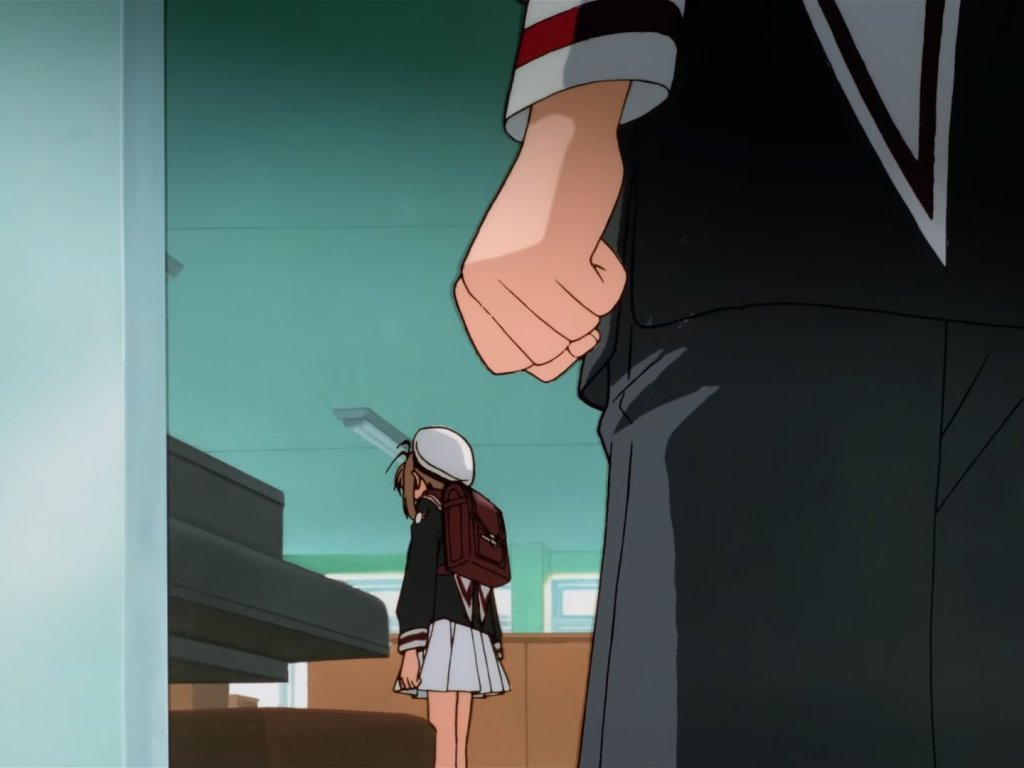
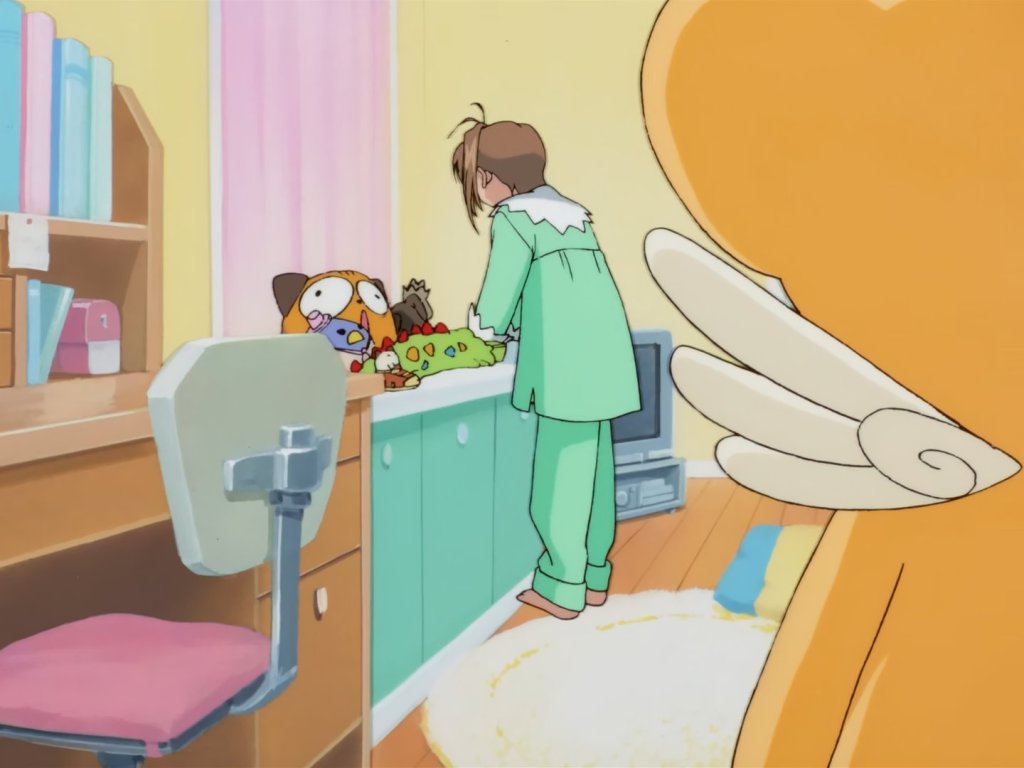
As expected in a Mamoru Kanbe directed episode, the layouts and camera angles do a particularly great job at isolating the characters in the frames, a job especially important in an immersion-focused episode such as this one, where even the minimal use of the soundtracks is designed to maximize the eeriness of the scenes.
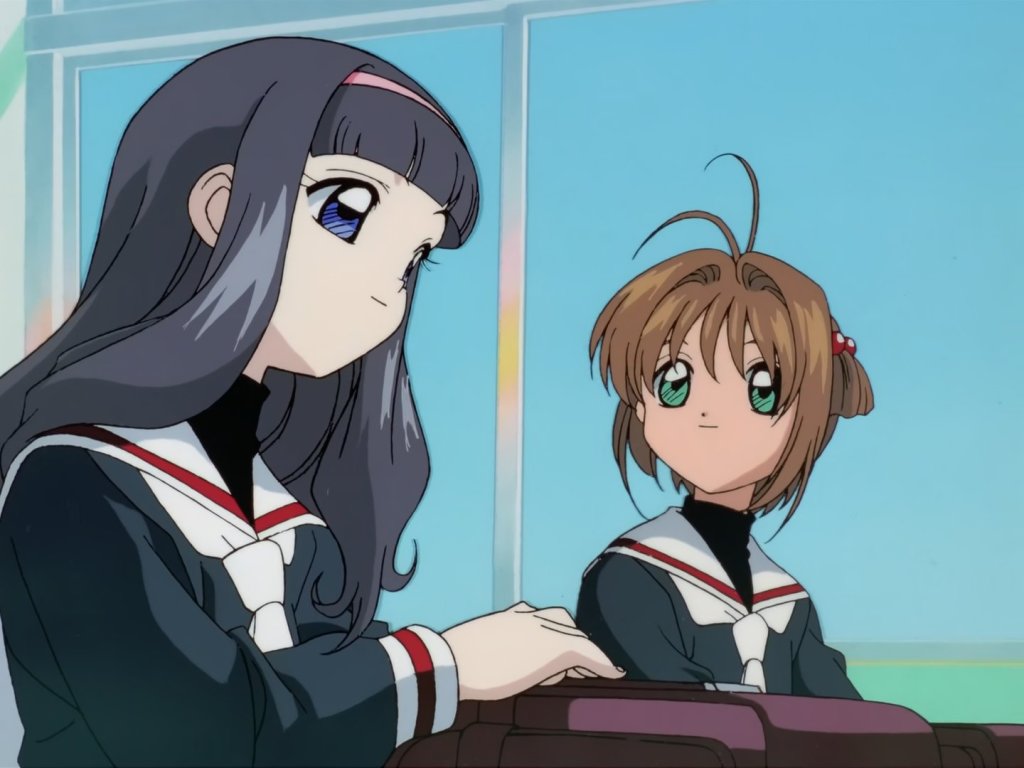
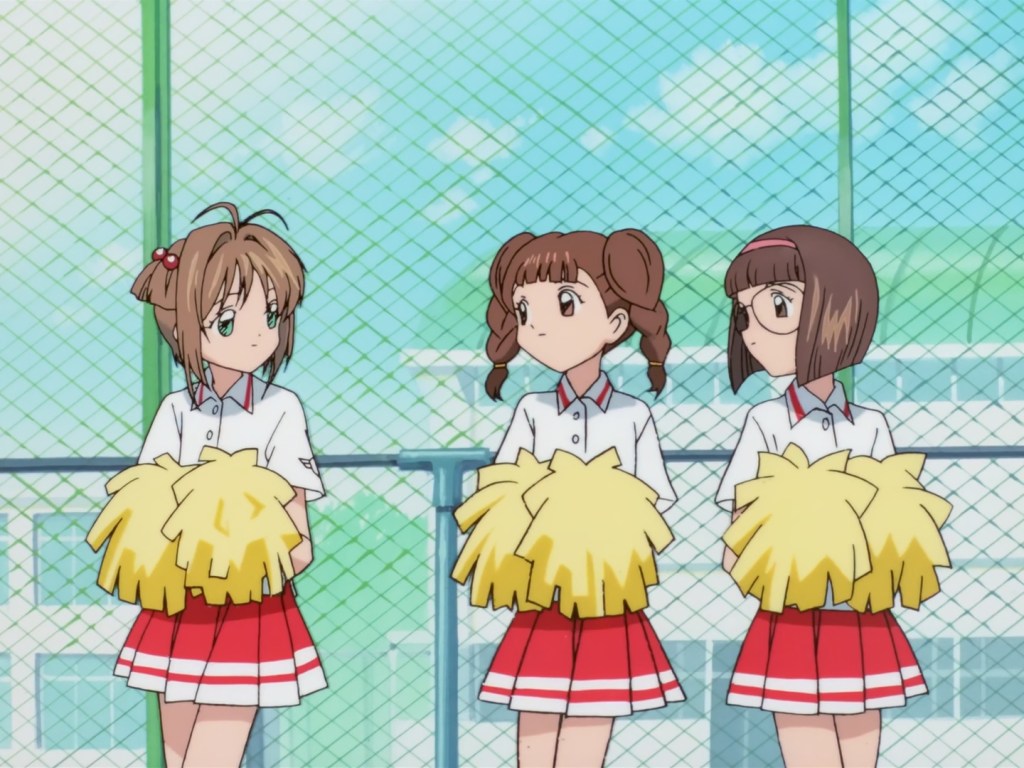

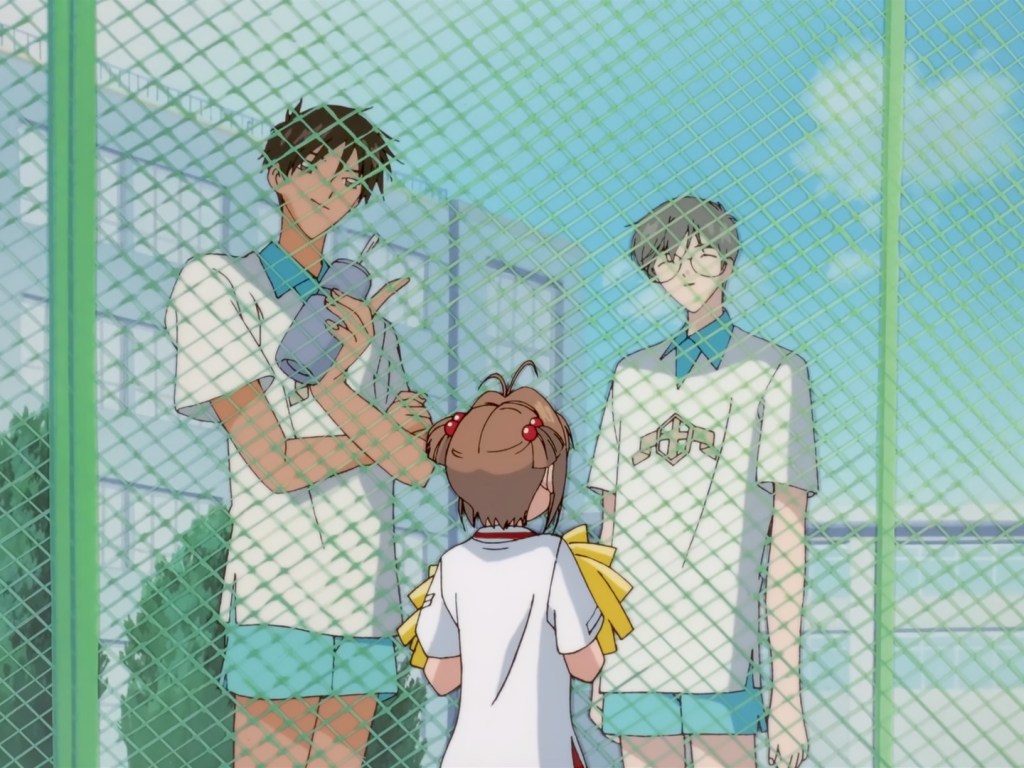
Another extremely familiar technique in Kanbe‘s repertoire, that was also prominently featured in the recent work of his I mentioned at the beginning of this article, Shoushimin Series, and that I’m always looking out for when watching episodes or shows with his name in the credits, is visually grouping the characters via a clever positioning of their cels in relation to the background or foreground elements, implying a remarked sense of distinction and separation between them. Needless to say, Cardcaptor Sakura episode 37 excels at this, using elements like fences and window frames in the background to partition the shots into smaller portions, each assigned to a particular character, or group thereof, to logically divide or separate them.

Episode 40 – さくらと夢の中のさくら: Sakura and the Sakura from the Dream
絵コンテ・演出: 高柳 滋仁|SB/ED: Shigehito Takayanagi
As Mamoru Kanbe‘s presence in the production of this show grew less and less frequent to then completely disappear by the time the Sakura Card story arc entered its initial phases, another director by the name of Shigehito Takayanagi caught my attention thanks to his methodical approach to direction, full of precise and distinct recurring traits.
Episode 40, the first one being directed and boarder by Takayangi, has surely left a long lasting impression on me to the point I feel confident in saying it’s distinctly one of my favorites in the entire series.

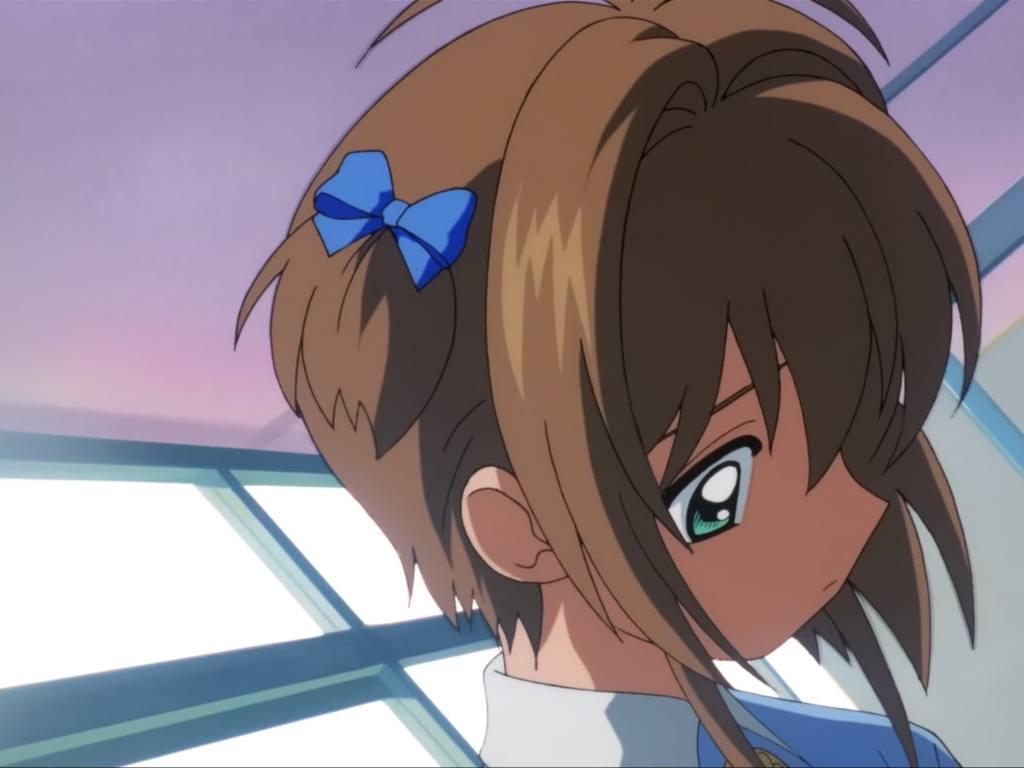


The episode revolved around the concepts of dreams and omens, and was certainly backed up by a strong vision paired with an outstanding execution. While it was great all throughout, coming after a whole first half worth of set up, B Part in particular stood out to me in its stunningly oneiric presentation of Sakura‘s dream sequence, one of the best I’ve seen in recent memory. The second half of the episode was almost entirely shot using dutch angles, in such a tasteful way that didn’t end up feeling overwhelming or forced at all. As we’ll see in the next episode too, this methodical use of well-established filming techniques is core to Takayanagi‘s style and directorial language ーthe textbook use of dutch angles being the most evident and noticeable one.
During this sequence, the thorough sound design played its part too, mainly featuring high-pitched and dissonant tones to remarked the ever increasing tension throughout the scenes.
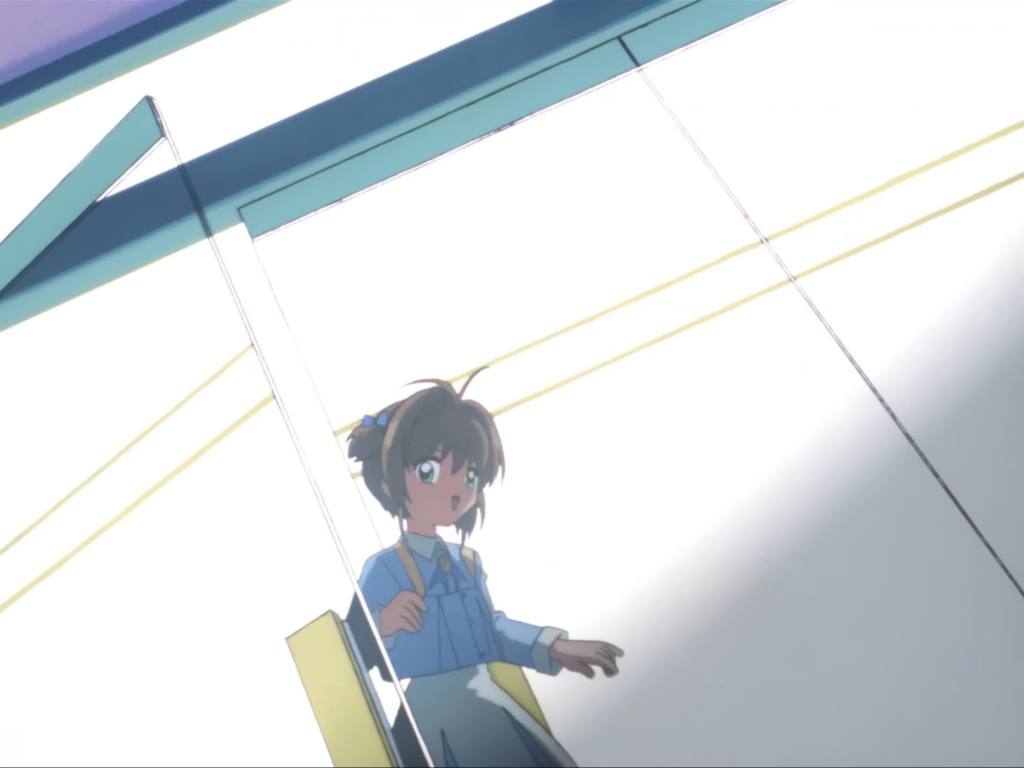
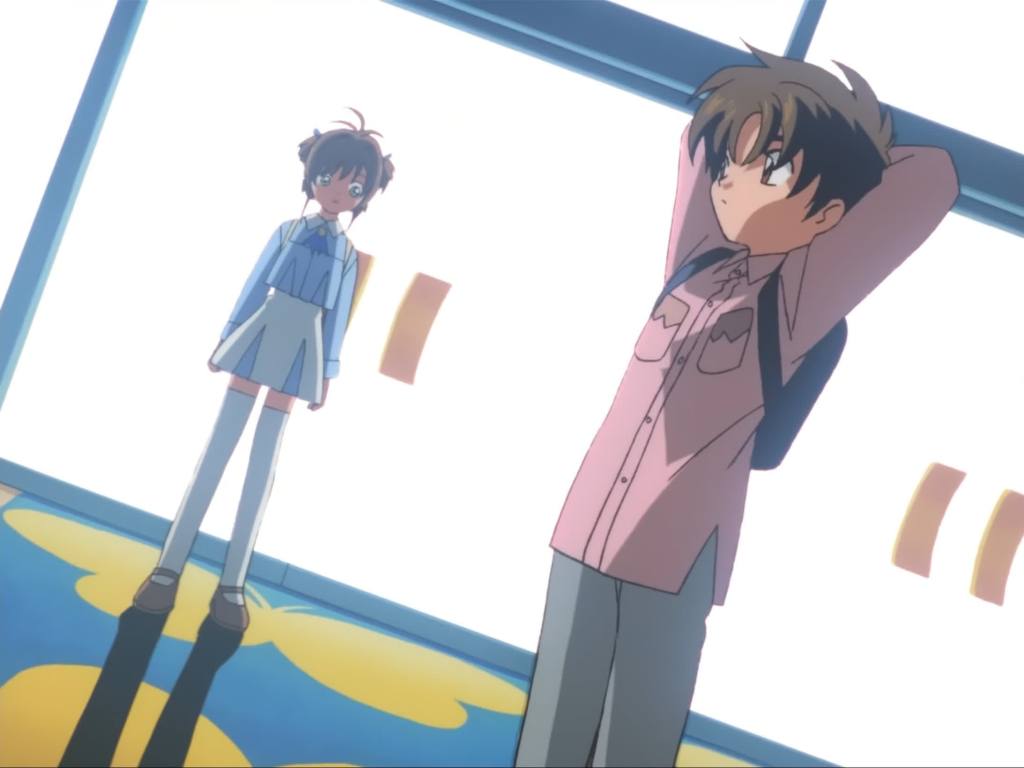
The setting too greatly contributed in depicting the eeriness of the whole sequence; the transparent glass doors and walls allowed for the extremely bright and indeterminate backgrounds to shine through, reinforcing the dreamlike and otherworldly appearance of the location, almost as if they were trapping Sakura and the others in a place completely detached from reality.


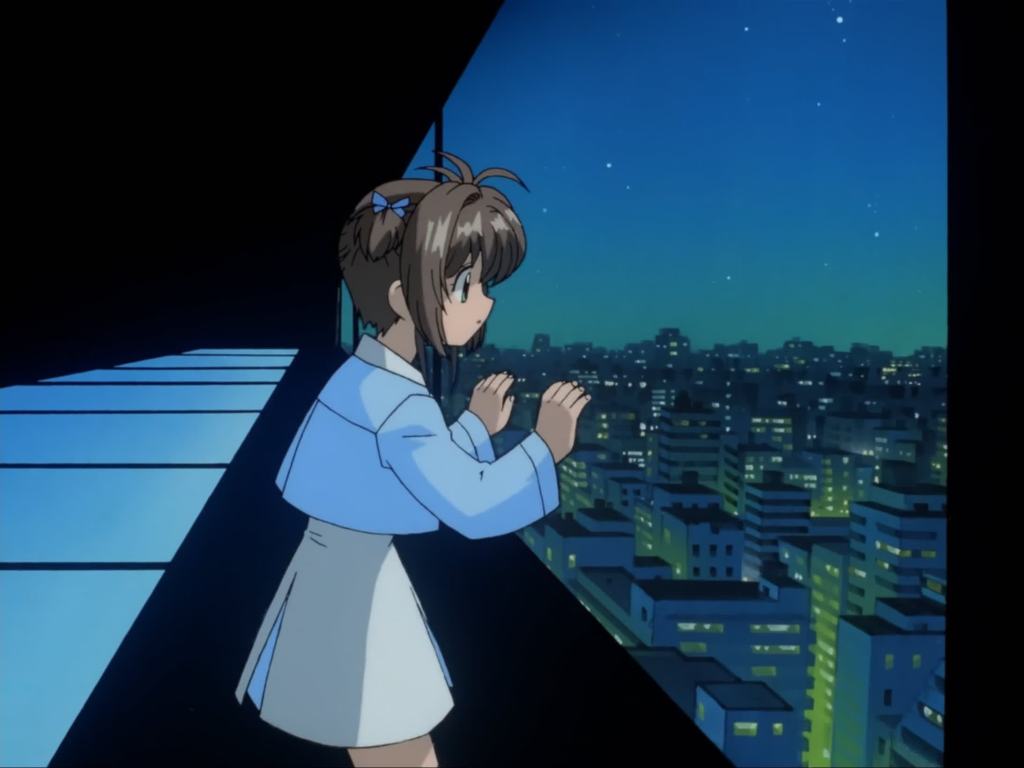
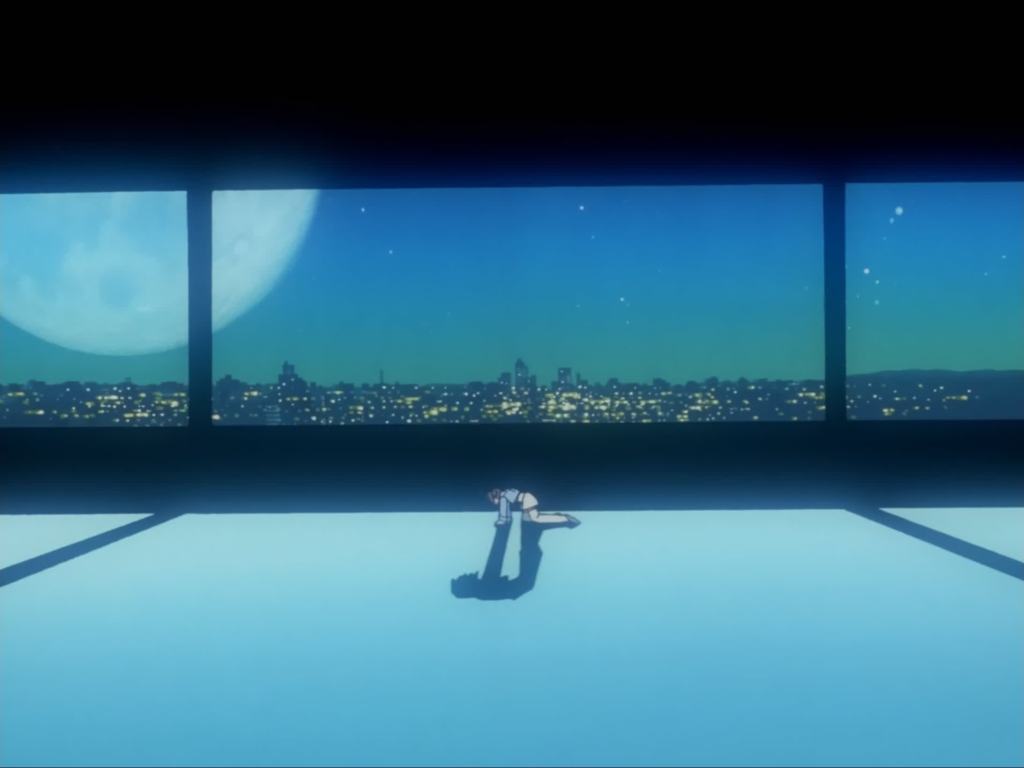
Another visual element I especially liked was the use of negative space towards the end of the sequence, isolating Sakura in the frames and effectively “erasing” the space around her with a very deliberate palette choice, featuring black as its the predominant color, in complete contrast with the previous scenes. This choice not only enhances the presentation of the sequence but also carries a narrative meaning, since the space around Sakura starts blacking out as she slowly realizes she’s being held captive inside of a dream.
Playing around with perspectives was one last trick deployed in the final moments of the episode in order to effectively upgrade the “space”‘s role to a proactive one in the visuals, also featuring some pretty ambitious rotation cuts as well.
This exhaustive control over every aspect of the visuals ーeach element being carefully designed to specifically fulfill the task of conveying a distinct set of emotionsー served as a great presentation of Shigehito Takayanagi‘s qualities as a director, unmistakably outlining his distinctly holistic and systematic approach.

Episode 57 – さくらと小狼とエレベーター: Sakura, Syaoran, and the Elevator
絵コンテ・演出: 高柳 滋仁|SB/ED: Shigehito Takayanagi
The last episode on this list is episode 57, this time too unsurprisingly crafted by the meticulous hand of Shigehito Takayanagi. If Mamoru Kanbe was the director whose endeavors grabbed my attention the most throughout the first half of the show, Takayanagi definitely became the standout in the second half, to the point I could effortlessly infer his involvement midway through the episodes. It doesn’t boil down to particularly effective observation skills on my part, though; rather, I’d say it was all mostly thanks to the very distinctive and recognizable approach on his end.
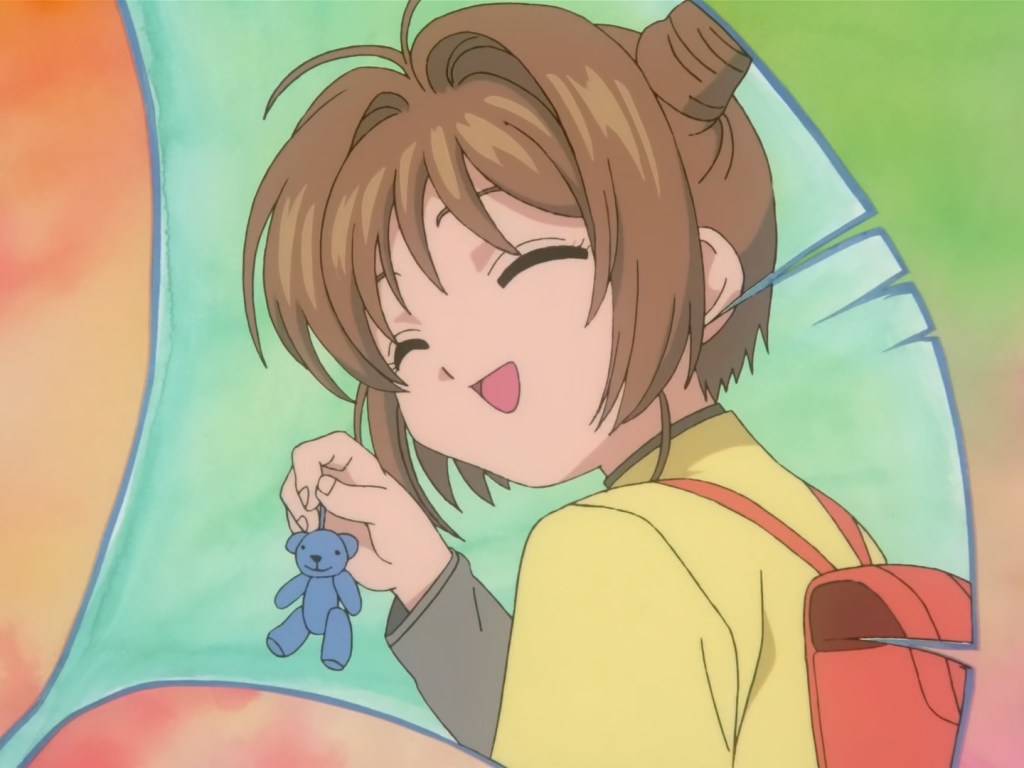
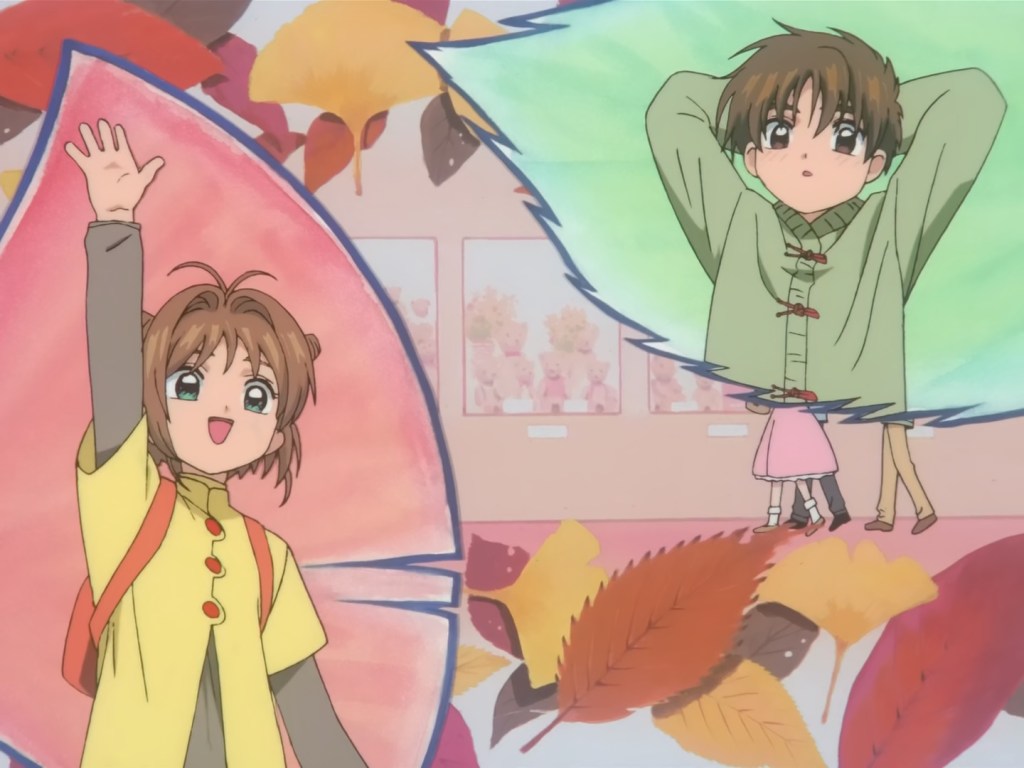
What caught my eye first in this episode was the very simple and straightforward yet effective visual symbolisms at play during the teddy-bear-event montage in B Part, focusing on Syaoran‘s acceptance of his feelings for Sakura.
Dry leaves are obviously the main visual theme of the whole sequence, but while Syaoran is always framed within or in relation to a plain, “regular” leaf, Sakura is instead represented by a more unique-looking and distinctively pretty Ginkgo leaf, strongly suggesting how she is the one who stands out in his eyes.
These by-the-book tricks Takayanagi deploys throughout his episodes, as hinted at earlier, are an integral part that defines his style. What makes them stand out is the designed effectiveness they gain under Takayanagi‘s comprehensive direction; even the more straightforward techniques like these can result in a strong and compelling presentation if realized with the due attention to details and an exhaustive and careful control over every audio-visual element, like composition, colors, transitions, rhythm, and soundtracks.

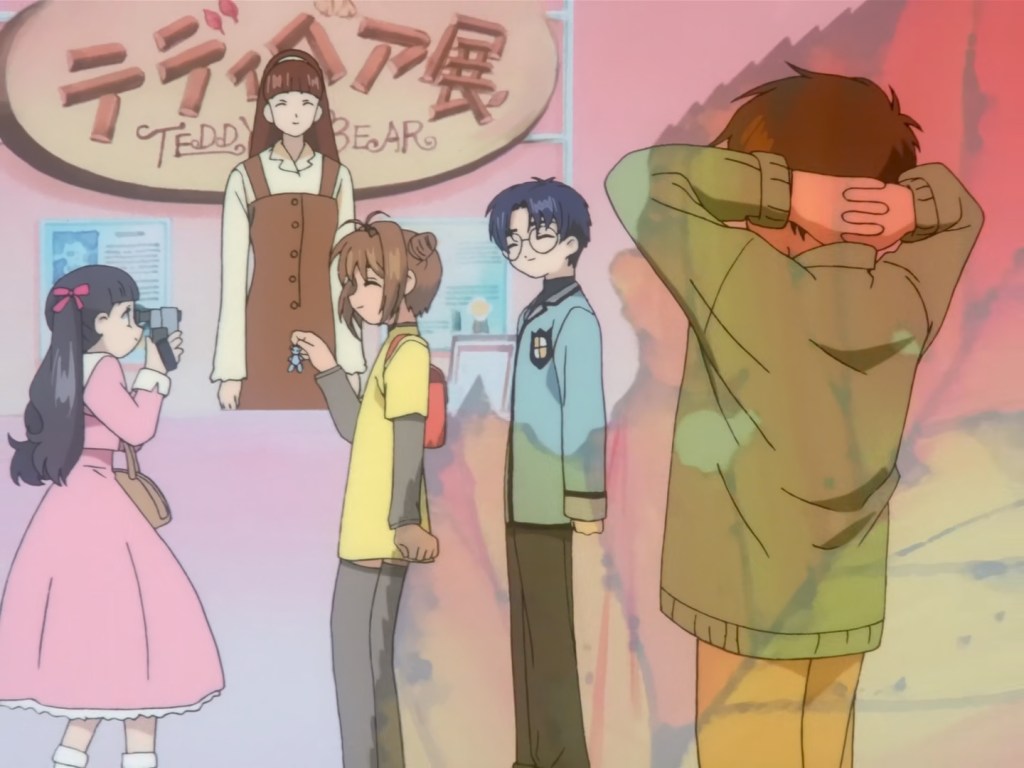
In some instances, the image of the “normal” dry leaf overlaps and envelops Li‘s entire figure in the frame, effectively isolating him from the other characters on the screen, perhaps to reinforce how this montage ーwhich, by the way, is not the first one featured in a Takayanagi episodeー is all about his personal feelings towards Sakura.
Using the interactions between the two distinct type of leaves, as they make ripples on the water or as the consecutive images of Sakura make Li‘s last bit of defiance towards the acceptance of his own feelings tremble at the mere sight of them, to describe the concrete interactions between the actual characters during their visit at the event was another really impactful and tender idea, expanding on the otherwise unadorned symbolism.
That of the dry leaves is not a theme introduced only in the second half of the episode though; reminiscent of Kanbe‘s habit, that key element is present since the very beginning, with the fragmented sequence slowly following the brown leaf as it floats on the pond until it reaches Syaoran‘s reflection on the water playing throughout the entirety of A Part.
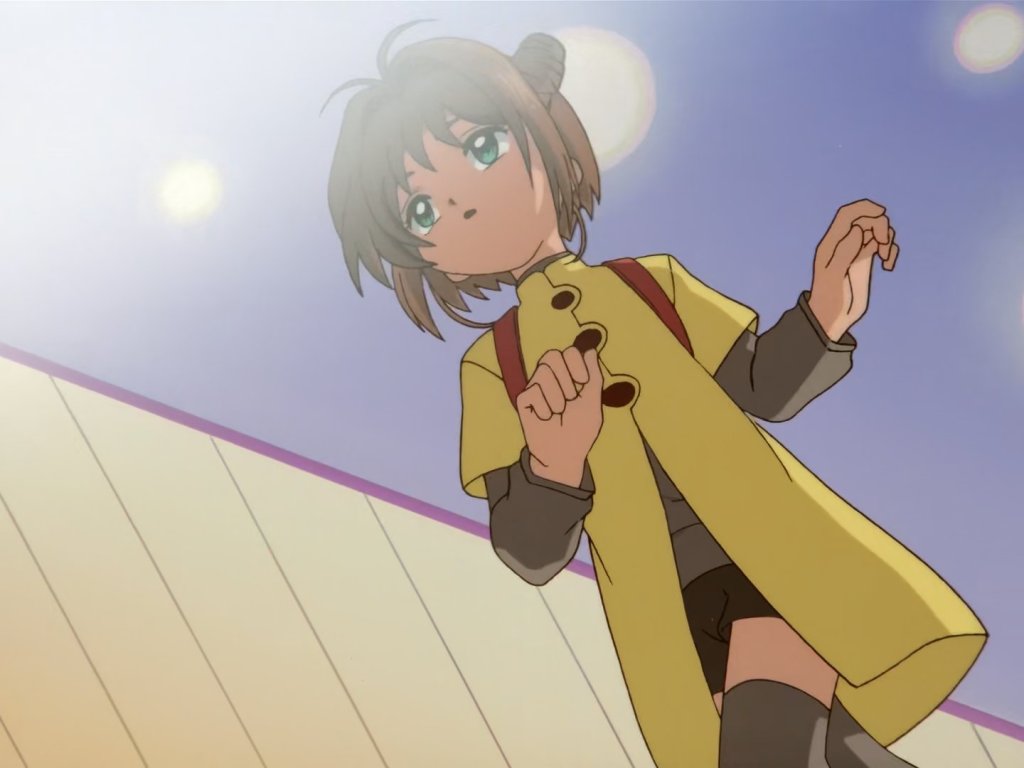

As the events of the episode unfold and get closer to the end, we are yet again grated with a very extensive and appropriate use of dutch angles, time time as well paired with an appropriate soundtrack choice to unmistakably denote the impending threat of a sinister event. Another of Shigehito Takayanagi‘s methodical touches, once again executed with the utmost care and meticulousness.
As a closing note, I have to say I really enjoyed the commitment to present all of the events in this episode solely from Li‘s POV. Episode 57 was also possibly the first one (or at the very least, the first self-contained story) to not include any sequence of Sakura summoning a card or performing a spell at all.

This concludes our little journey through the episodes of the 90s classic Cardcaptor Sakura, which was really just a compilation ーthough not without a few substantial additions here and thereー of the otherwise unorganized thoughts and write-ups I produced while watching the series for the first time. I hope this piece provided you, dear reader, with some interesting insights on the direction of this timeless show, or at least entertained you throughout your reading. Until next time~